 FR
FR EN
ENNos partenaires Our partners
Institutions et universités qui soutiennent le programme Institutions and universities backing the programme
Why choose the DSP CC & Agric?

High-quality supervision
Scientific and pedagogical support provided by African and international experts.

Pan-African network
A community of researchers from 12 countries and partnerships with Europe and America.

Opportunities & scholarships
Full scholarships and complementary professional training.

Applied research
Research addressing the real challenges of rural communities.

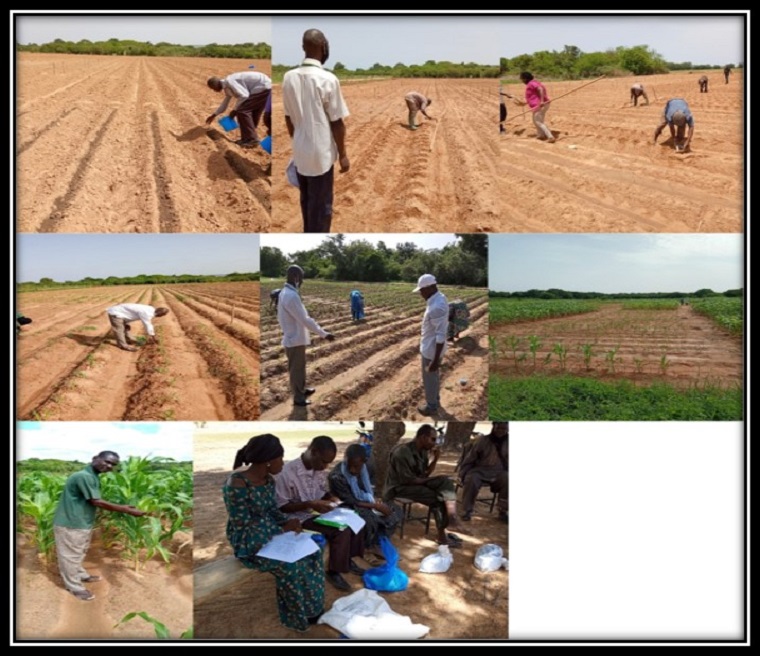
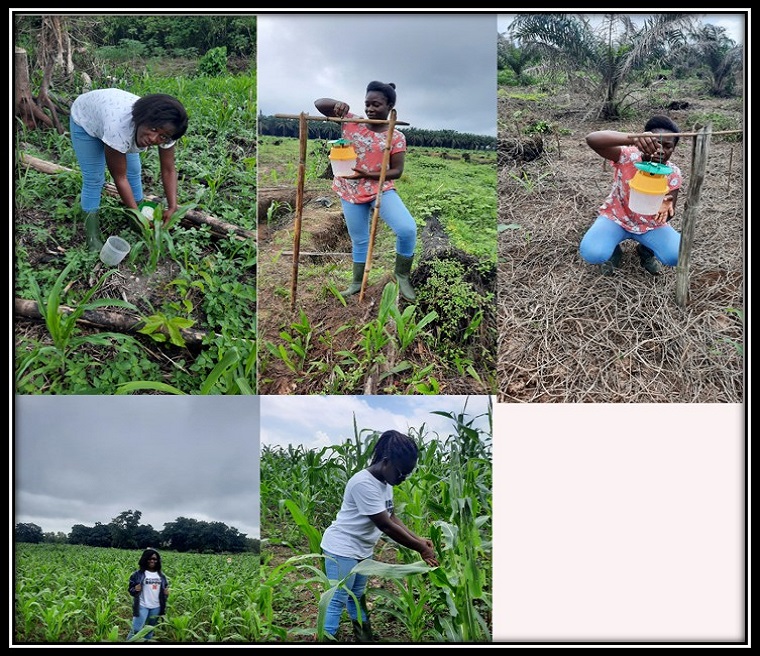

Our doctoral training
A demanding curriculum, close supervision, and skills geared towards action.
A structured and progressive path
4 months of language preparation in Ghana and Togo, then 6 months of intensive courses at IPR/IFRA. Research continues in one of the member countries, with a scientific stay in Germany, before the defense in Mali.
High-level scientific supervision
Each student is guided by a committee bringing together national and international experts, ensuring personalized and rigorous support.
Skills for resilience
Methodology, modeling, GHG measurement, public policy and sustainable solutions for agriculture.
Programme structure and contents (overview)
- Scientific English and French (4 months, Ghana and Togo) — immersion and methodological foundations.
- Intensive courses (6 months, IPR/IFRA) — climate, agriculture, modeling, GHG.
- Topic validation — committee and thesis milestones.
- Research (member country, or Germany) — experiments, surveys, modeling.
- Scientific stay (Germany) — 3–6 months, reinforcement and co-publication.
- Defense (Mali) — submission, public defense, dissemination.
12 WASCAL member countries
 Benin
Benin Burkina Faso
 Cabo Verde
 Côte d’Ivoire
 Gambia
 Ghana
Ghana Mali
Mali Niger
Niger Nigeria
 Senegal
 Togo
Togo Guinea
News
View all news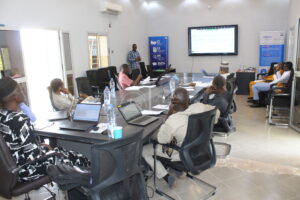
Research Proposal Validation – Batch 6 of the GSP Climate Change and Agriculture
Batch 6 doctoral students of the GSP CC & Agric program presented and validated their research proposals on Thursday, April 24, 2026 in Katibougou.
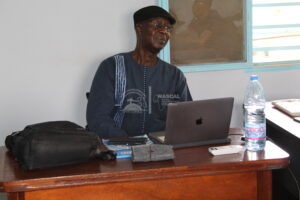
Module 23: Climate Change and Sustainable Animal Production & Range Management – Dr Modibo Traoré
From April 13 to 17, 2026, the WASCAL Doctoral Programme hosted Dr Modibo Traoré for Module 23, focusing on the interactions between climate change, sustainable animal production, and rangeland management.

Module 22: Development of Process-Based Crop Models at the Field Scale – Prof. Thomas Gaiser
As part of the WASCAL Graduate Research Programme in Climate Change and Agriculture, Module 22 on crop modeling was delivered by Prof. Thomas Gaiser from the University of Bonn. This module strengthened doctoral researchers’ skills in agroecosystem modeling and crop growth simulation dynamics.
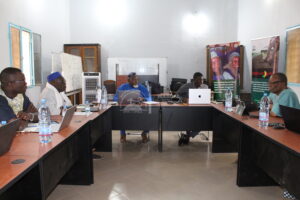
GSP CC & Agric Advisory Board Meeting: Two Days of Strategic Reflection in Katibougou
The Graduate Study Programme in Climate Change and Agriculture (GSP CC & Agric) held its annual Advisory Board Meeting on April 1–2, 2026, in Katibougou. This strategic meeting provided an opportunity to review programme activities, address challenges, and enhance academic tools, including curriculum and scientific writing frameworks.
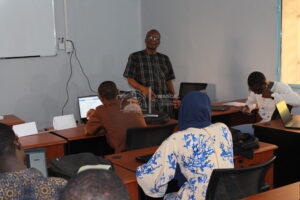
Modules 20 and 21: Soil Organic Matter Management, Soil Fertility and Restoration – Prof. Victor Emmanuel Osodeke
The WASCAL doctoral programme hosted Prof. Victor Emmanuel Osodeke for two intensive modules on soil organic matter management, soil fertility, and restoration, including a scientific visit to the HEINZ IMHOF soil laboratory.
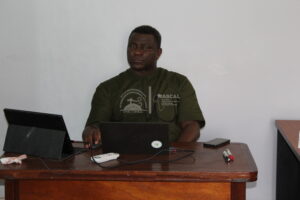
Module 19: Agricultural Policies and Index-Based Insurance – Dr. Ambe Emmanuel Cheo
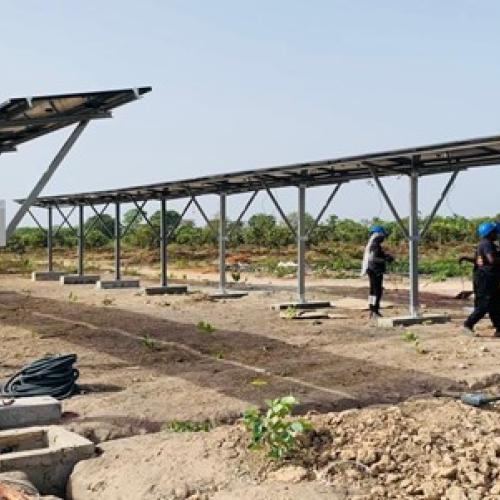
As part of the WASCAL Graduate Research Programme in Climate Change and Agriculture, Module 19 on agricultural policies and index-based insurance was delivered by Dr. Ambe Emmanuel Cheo (UNU-VIE, Germany) from 9 to 13 March 2026. The module combined policy analysis, academic discussions, and a scientific study visit to the agrophotovoltaic site at IPR-IFRA.
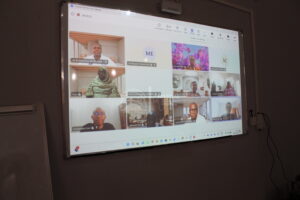
Module 18: Post-Harvest and Climate Change – Prof. Assa Kanté
As part of the WASCAL Graduate Research Programme in Climate Change and Agriculture, Module 18 entitled “Post-Harvest and Climate Change” was delivered by Professor Assa Kanté from IPR/IFRA, Mali. The module started with an in-person session in Katibougou before continuing online and included guest lectures by Prof. Youba Sokona (IPCC) and Ms. Diallo Oumou Modibo Diallo (JVE).
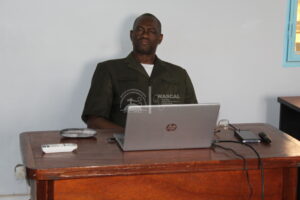
Module 17: Concept of Resilience in Agricultural Systems (Livestock and Cropping) – Prof. Siaka Dembélé
Module 17 of the WASCAL doctoral program focused on the concept of resilience in agricultural systems. Delivered by Prof. Siaka Dembélé from 23–27 February 2026, the course examined climate change impacts on cropping and livestock systems and explored adaptation and climate-smart agriculture strategies.
Alumni voices
All testimonials
“The CC & Agric DSP has transformed my career. The resources, trainers, and scientific network are exceptional.”
Dr. Awa Traoré
Our partners
An institutional and academic network supporting training and research.
Institutional & funders

Universities & research centers